What the Anion Gap Measures
The anion-gap is a derived value used to assist interpret serum electrolytes and see how the body is maintaining acid and base balance. An Anion Gap Calculator calculates the blood anion gap from routine biochemistry values, usually sodium, chloride, and bicarbonate. This makes it a practical tool for quick clinical interpretation of an electrolyte test.
The calculation helps identify whether there may be excess unseen anions in the blood. These are substances not directly shown on a standard chemistry report but that still influence the overall charge balance. When the gap is elevated anion gap, it can point toward conditions such as acid buildup. When it is decreased anion gap, it may suggest issues such as low albumin, laboratory problems, or other less common causes.
Because the anion gap is derived from everyday laboratory values, it is widely used as a assessment and monitoring measure rather than a standalone diagnosis. It gives context to other findings and can help narrow the differential in an acid-base problem. In short, it is a quick way to calculate anion gap results and connect them to broader physiology.
Using the Anion Gap Calculator
Using an Anion Gap Calculator is easy to do. You input the relevant input values from the report: serum sodium, serum chloride, and plasma bicarbonate. The tool then calculates with the anion gap formula and returns the calculator result.
Most calculators are built for rapid assessment of routine electrolytes. Some may also let you add albumin for a corrected anion gap, which can be helpful when protein levels are abnormal. This matters because albumin is one of the major unmeasured negatively charged substances in blood chemistry.
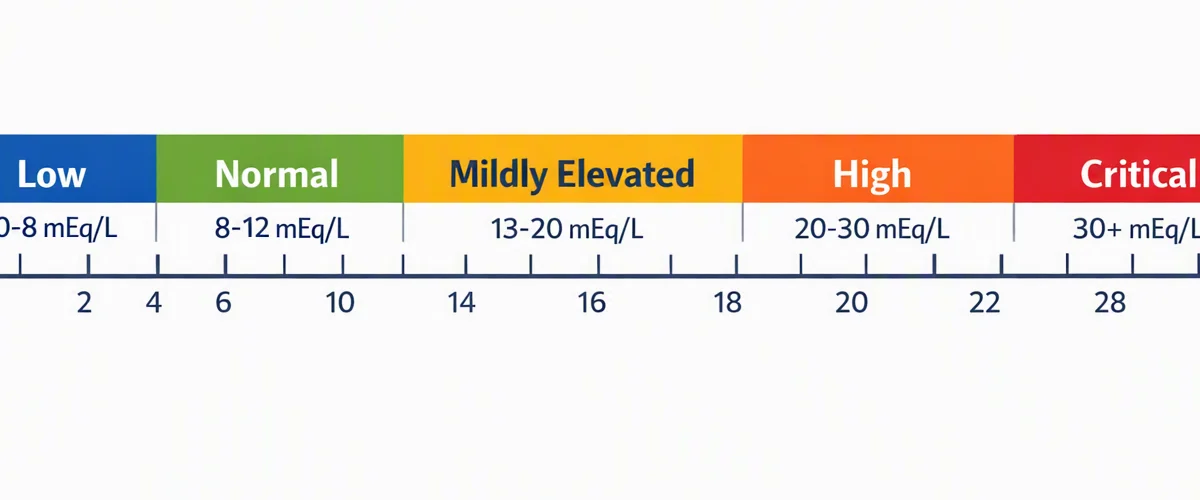
To use the calculator well:
- Input the exact numbers shown on the lab report. Verify the units match the calculator’s expected format. See whether the tool uses a standard or albumin-adjusted calculation. Look over the normal range shown by the calculator or your lab source.
The output should be interpreted in context. A single number may look normal, but if the patient has symptoms or other abnormal lab values, the overall picture may still point to a clinically important problem. Likewise, a mildly abnormal result may be less concerning if it fits the expected picture of the patient’s condition.
Anion Gap Formula and Interpretation
The standard anion gap formula is expressed as Na minus Cl minus HCO3. In words, that means removing chloride and bicarbonate from sodium. This straightforward formula calculates the balance between measured positive and negative ions in the blood.
The usual logic is that sodium is the main measured cation, while chloride and bicarbonate are the main measured anions included in the calculation. The gap represents the charge contributed by unmeasured ions. A within-range or normal anion gap points to a relatively balanced pattern of measured and unmeasured ions, while a shift in either direction can reveal a hidden disturbance.
A key refinement is albumin correction. Albumin plays a major role in the anion gap because it carries negative charge. When albumin is low, the measured gap may appear spuriously decreased. A corrected anion gap can therefore better reflect true physiology in certain patients.
An elevated anion gap often points to increased unmeasured acids in the blood, which is a major clue in metabolic acidosis. A low anion gap is rarer, but it can be clinically meaningful when it reflects hypoalbuminemia, excess positively charged proteins, or technical error.
Think of the anion gap as a clue, not a diagnosis. It helps identify whether the blood chemistry pattern suggests hidden acids, protein shifts, or a measurement problem.
Typical Causes of a elevated anion gap
A raised anion gap usually suggests there are extra acids or unmeasured anions in the bloodstream. This result is especially important in metabolic acidosis, where acid buildup lowers bicarbonate and changes the overall electrolyte picture.
These causes include:
- Lactic acidosis, where lactate rises because of poor oxygen delivery, shock, sepsis, or other stress states. Ketoacidosis, including diabetic ketoacidosis, alcoholic ketoacidosis, or starvation-related ketosis. Renal failure, where the kidneys cannot clear acids effectively. Toxic ingestion, such as exposure to substances that generate acid metabolites or interfere with normal metabolism.
These causes are important because they point to very different treatments. For example, lactic acidosis may require urgent stabilization and correction of the underlying cause, while ketoacidosis requires insulin, fluids, and careful electrolyte management. In renal failure, impaired acid elimination and electrolyte handling often drive the abnormal result. With toxic ingestion, the pattern may be a critical diagnostic clue.
The calculator result alone does not tell you which cause is present. It only highlights that there may be extra unmeasured anions, prompting further review of the patient’s symptoms, lab results, and acid-base status.
Common Causes of a Low Anion Gap
A decreased anion gap is less common than a high one, but it anion gap in chronic kidney disease can still be important. The most common explanation is hypoalbuminemia, since low albumin eliminates a major source of negative charge from the measured system. In many cases, this is why albumin correction is so important.
Additional common causes are:
- Lab error, which is always worth keeping in mind if the result does not match the clinical picture. Paraproteinemia, where abnormal proteins create unusual positive charge patterns. Hyperchloremia, which can lower the calculated gap by shifting the relationship between sodium, chloride, and bicarbonate.
A low gap may also be seen when the measurement technique or specimen handling alters the reported values. Because of that, a repeat panel is sometimes needed before concluding that the result reflects a true disorder. Reviewing the reference range and the patient’s overall status helps determine whether the low result is meaningful.
When hypoalbuminemia is present, the apparent low gap may not indicate a true acid-base problem. Instead, the value may simply indicate reduced albumin concentration. That is why the serum anion gap should always be interpreted with the protein level in mind.
Restrictions of the Calculator
An Anion Gap Calculator is useful, but it has clear limitations. First, the result depends on the precision of the entered lab values. If the sodium, chloride, or bicarbonate measurement is incorrect, the calculated gap will also be off. Even minor shifts in the input values can change the result.
Next, calculators may use slightly different reference range cutoffs depending on the laboratory or method. That means a value considered normal in one setting may be on the edge in another. Some calculators also use different assumptions about whether potassium is included, which can alter the interpretation slightly.
Moreover, albumin can significantly affect the interpretation. A calculator that does not include albumin may fail to detect a true abnormality or make a low value look more worrisome than it is. A corrected anion gap can improve interpretation, but it still does not replace full clinical assessment.
Additionally, the anion gap is only one piece of the puzzle. It does not replace an arterial blood gas when a detailed evaluation of pH, carbon dioxide, and compensation is needed. It also does not identify the specific cause of an abnormality. It provides diagnostic support, not a final diagnosis.
Finally, the calculator must be interpreted in clinical context. Symptoms, medication history, kidney function, nutrition status, and other chemistry results all influence what the number means. A result can be normal and still miss a developing problem, or it can be abnormal without indicating an emergency.
When to Seek Medical Interpretation
When the calculator shows a notable anion gap formula guide shift, medical review is advisable. An abnormal Anion Gap Calculator can signal an acid-base disorder, especially if it is paired with low bicarbonate, abnormal pH, or worrisome symptoms. This is especially true when the pattern suggests a metabolic acidosis.
Professional interpretation is also valuable when there is a more general electrolyte disruption. Because the result depends on the relationship among sodium, chloride, and bicarbonate, other disturbances in electrolyte levels can change the meaning of the number. A value that seems slightly abnormal may become more significant if the person is dehydrated, critically ill, or has kidney dysfunction.
You should seek a clinician for interpretation when:
- The result is clearly above or below the expected range. There are symptoms such as disorientation, fast breathing, vomiting, weakness, or marked fatigue. The patient has diabetes, kidney disease, suspected poisoning, or another significant illness. The calculator suggests a elevated anion gap or low anion gap that does not match the clinical picture.
The anion gap in serum is most useful when viewed as part of a broader assessment. In practice, it often points to the next step: repeat testing, albumin adjustment, blood gas analysis, or investigation for a specific cause of acidosis or protein abnormality.
Common Questions
What is a normal anion gap?
The normal anion gap range differs by testing method and the calculator used. Many sources view a usual result to fall within a relatively narrow reference range, but the specific threshold should be confirmed from the laboratory report or the calculator itself. The most important point is to match the result with the range attached to the specific lab values being interpreted.
How do you calculate the serum anion gap?
You calculate the blood anion gap using the calculation formula: Na minus Cl minus HCO3. In practice, you type in the measured Na, Cl, and bicarbonate into an Anion Gap Calculator. The calculator then gives the gap as a brief overview of the balance between measured and unmeasured ions.
What does a high anion gap mean?
A raised anion gap usually indicates excess unmeasured acids from an acid load, which often suggests metabolic acidosis. Frequent causes include lactate acidosis, diabetic ketoacidosis, renal insufficiency, and toxic ingestion. The result is a clue that should be interpreted alongside symptoms, kidney function, and other chemistry findings.
Should the anion gap be corrected for albumin?
Yes, albumin correction can be very helpful when albumin is low. Since albumin is a major negatively charged protein, low levels can make the anion gap appear falsely low. A albumin-corrected anion gap may give a more accurate picture of acid-base status, especially when there is suspected acid-base acidosis or unexplained abnormalities in the electrolyte results.
How reliable is an Anion Gap Calculator?
An Anion Gap Calculator is generally reliable for the arithmetic calculation, but its usefulness depends on the quality of the input and the broader clinical interpretation. It can accurately compute the number from reported lab values, but it cannot determine the cause of an abnormal result on its own. Accuracy also depends on whether the calculator accounts for the albumin level, uses the correct normal range, and reflects the same method as the lab report. For that reason, it is best used for diagnostic support, not as a substitute for medical evaluation.